Safest LGBTQ+ Travel Destinations in 2026: Where the Law and the Street Both Got Your Back
12 LGBTQ+ travel destinations compared on legal protections, hate crime data, and on-the-ground queer community presence. No rainbow-washing.
Why most “safest LGBTQ+ destinations” lists are broken
Most “safest queer destinations” lists rank countries by marriage equality and stop there. That’s a start, but it doesn’t tell you whether a same-sex couple holding hands in a Lisbon bar gets a hostile glance or a smile. It also doesn’t tell you whether the local Pride march still needs riot police, whether trans people can update their documents without surgery, or whether the law against discrimination is actually enforced.
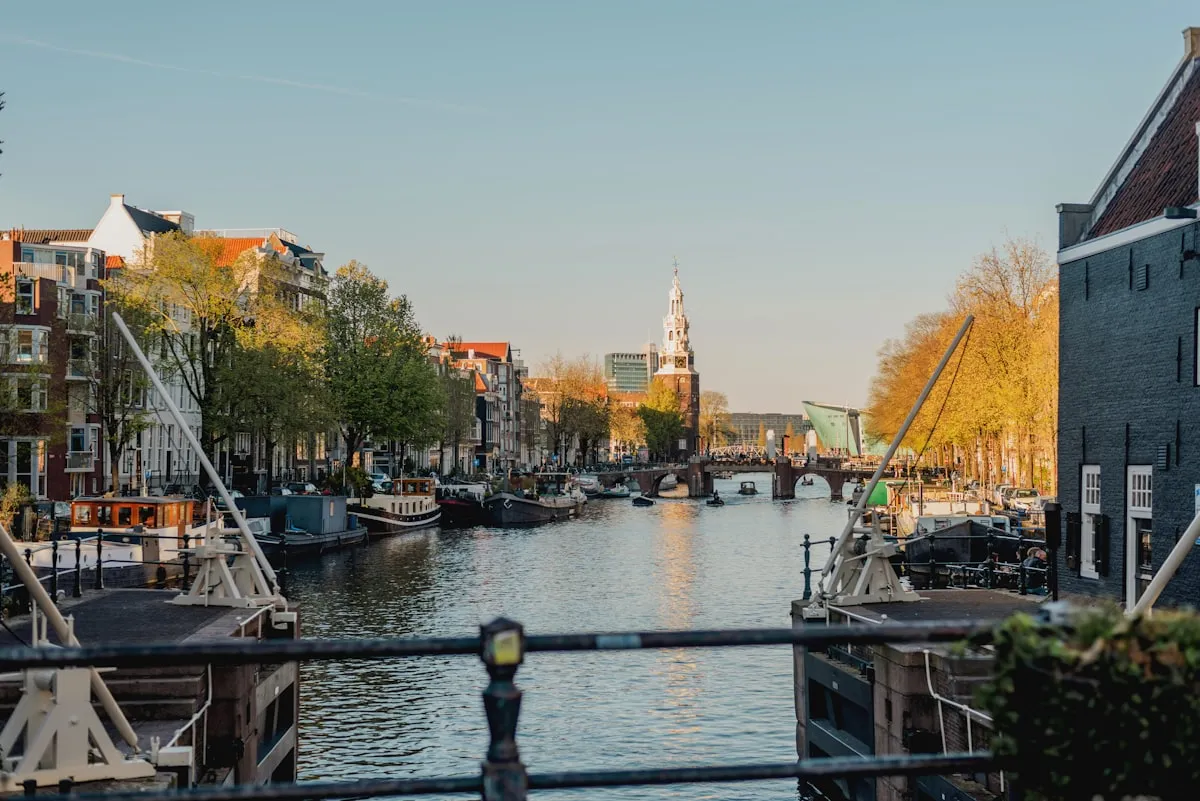
Photo: Unsplash (Unsplash License)
We pulled three data sources — ILGA World’s State-Sponsored Homophobia report, Spartacus Gay Travel Index, and Equaldex — and then layered in on-the-ground signals: visible queer neighborhoods, annual Pride events, trans healthcare access, and recent hate crime reporting. The result is a list that reflects both the law and the street.
Who this article is NOT for
If you’re a passport holder from a country that criminalizes same-sex conduct and you’re traveling to one of these destinations, the calculus changes. Border agents at home may flag you. Talk to a queer-friendly immigration lawyer before booking. This article is for travelers whose main worry is “can I be openly queer at this destination” — not “can my home government punish me for going.”
Selection criteria
We scored 12 popular destinations across three axes:
- Legal recognition: same-sex marriage, joint adoption, gender marker change without surgery, anti-discrimination law covering employment, housing, and services.
- Hate crime data and enforcement: do hate crime laws cover sexual orientation and gender identity, and does the country actually report and prosecute.
- Visible queer community: Pride events, queer neighborhoods, queer-owned businesses, and mainstream tolerance for visible LGBTQ+ presence.
Legal data verified on ILGA World, Spartacus, and Equaldex on July 25, 2026.
Comparison: 12 destinations
| Destination | Marriage equality | Anti-discrimination law | Pride (annual, large) | Trans doc change | Verdict |
|---|---|---|---|---|---|
| Canada | ✅ 2005 | ✅ Federal | ✅ Toronto, Montreal | ✅ Self-declaration | Strongest all-round |
| Spain | ✅ 2005 | ✅ | ✅ Madrid, Barcelona | ✅ Self-declaration (since 2023) | Madrid is a queer capital |
| Netherlands | ✅ 2001 (world first) | ✅ | ✅ Amsterdam | ✅ Self-declaration | Amsterdam: historic + safe |
| Portugal | ✅ 2010 | ✅ | ✅ Lisbon | ✅ Self-declaration (since 2018) | Quietly excellent |
| Iceland | ✅ 2010 | ✅ | ✅ Reykjavík (small but festive) | ✅ Self-declaration | Tiny, expensive, very safe |
| Malta | ✅ 2017 | ✅ | ✅ Valletta (growing) | ✅ Self-declaration | Smallest country on the list, but law-led |
| Uruguay | ✅ 2013 | ✅ | ✅ Montevideo | ✅ Self-declaration | Latin America’s quiet leader |
| Argentina | ✅ 2010 (first in LatAm) | ✅ | ✅ Buenos Aires | ✅ Self-declaration (since 2012, world-leading) | Buenos Aires Pride is huge |
| Taiwan | ✅ 2019 (first in Asia) | ✅ Partial | ✅ Taipei (largest in Asia) | ⚠️ Requires medical certification | Asia’s leader, but trans docs lag |
| New Zealand | ✅ 2013 | ✅ | ✅ Auckland, Wellington | ✅ Self-declaration (since 2023) | Quiet, safe, far from everything |
| Australia | ✅ 2017 | ✅ Federal | ✅ Sydney Mardi Gras | ⚠️ State-by-state | Sydney Mardi Gras is a global draw |
| Germany | ✅ 2017 | ✅ | ✅ Berlin, Cologne | ⚠️ Still requires medical evaluation | Cologne Pride is one of Europe’s largest |
Tier 1 — safest, no caveats
Canada
Same-sex marriage since 2005. Federal anti-discrimination law since 1996. Trans Canadians can update documents on self-declaration in most provinces. Toronto’s Church-Wellesley Village, Montreal’s Village, and Vancouver’s Davie Street are visible, well-patrolled, and embedded in mainstream city life. Recent hate crime reporting is up (a global trend), but prosecution rates remain among the highest in the world.
Spain
Same-sex marriage since 2005. Madrid Pride (Orgullo) draws millions and is one of Europe’s largest. Barcelona, Sitges, and the Canary Islands all have visible, established queer scenes. Trans Spaniards have been able to self-declare gender marker since 2023, putting Spain ahead of Germany and the UK on trans rights.
Netherlands
The first country in the world to legalize same-sex marriage (2001). Amsterdam’s queer infrastructure is decades deep — bars, community centers, archives, sports clubs. Trans document change on self-declaration since 2014. The queer scene is more dispersed than in Madrid or Toronto, but the law and the culture are solidly on your side.
Tier 2 — excellent, with one caveat
Portugal
Quietly one of the most progressive countries on earth. Same-sex marriage since 2010, trans self-declaration since 2018. Lisbon Pride is smaller than Madrid’s but draws a warm, multigenerational crowd. Cost of living is low, queer-owned guesthouses and bars are well documented, and the casual tolerance is hard to overstate. The only caveat: Portuguese trans healthcare waits are long.
Iceland
Tiny, expensive, and incredibly safe. Same-sex marriage since 2010, trans self-declaration since 2019. Reykjavík Pride is small in absolute numbers but enormous per capita. The caveat is cost — Iceland is not a budget destination, and queer-specific infrastructure is thinner than in Madrid or Toronto because the population is 380,000.
Taiwan
Same-sex marriage since 2019, the first in Asia. Taipei Pride is the largest Pride event on the continent. The caveat is trans document change — Taiwanese law still requires medical evaluation, putting it behind Argentina and Spain on trans rights even as it leads Asia on marriage.
Argentina
Same-sex marriage since 2010, gender identity law since 2012 (one of the most progressive in the world — self-declaration, no medical gatekeeping, fully state-funded transition care). Buenos Aires Pride is huge. The caveat is recent inflation and economic volatility, which affects travel cost and queer-owned businesses unevenly.
Tier 3 — safe in major cities, research outside
Germany
Same-sex marriage since 2017 (late among Western European countries). Berlin and Cologne are genuinely queer capitals — Cologne Pride draws over a million. The caveat is trans document change, which still requires a medical evaluation under Germany’s Transsexual Act (reform is pending).
Australia
Same-sex marriage since 2017. Sydney Mardi Gras is one of the world’s most famous Pride events. The caveat is that trans document change varies by state, and queer life outside the major coastal cities can be more conservative than the Sydney/Melbourne narrative suggests.
Uruguay
Same-sex marriage since 2013. Latin America’s quiet leader. Montevideo Pride is well attended and the law is progressive on every axis. The caveat is queer infrastructure: Montevideo has it, smaller towns don’t.
Malta
Same-sex marriage since 2017. Smallest country on the list by population (~520,000) but with some of the most progressive LGBTQ+ law in the world, including trans self-declaration since 2015. The caveat is that Malta’s queer scene is small and concentrated in Valletta and Sliema.
New Zealand
Same-sex marriage since 2013. Self-declaration for trans documents since 2023. Auckland and Wellington have visible, established queer communities. The caveat is geographic isolation — getting there from anywhere except Australia is a long flight.
Recommendations by traveler type
- First-time solo queer traveler: Spain or Portugal. Cheap, dense queer infrastructure, warm.
- Couple on a honeymoon: Canada or New Zealand. Legally bulletproof, easy infrastructure.
- Traveler who wants Asia without leaving the queer bubble: Taiwan.
- Budget-conscious traveler: Argentina (post-currency devaluation, cheap in USD) or Uruguay.
- Traveler who wants to be in the biggest Pride crowd in the world: Madrid (Spain) or Cologne (Germany).
- Traveler who wants a tiny, expensive, deeply safe destination: Iceland.
FAQ
What is the safest country for LGBTQ+ travelers in 2026?
By legal protections alone, Spain, Canada, Portugal, Iceland, and Malta consistently rank at the top of ILGA World, Spartacus, and Equaldex indexes. Spain is our all-round pick for queer travelers — same-sex marriage since 2005, dense queer infrastructure in Madrid and Barcelona, and strong anti-discrimination law. For the legally strongest small destination, Malta has trans self-declaration since 2015 and some of the most progressive law in the world.
Is the United States safe for LGBTQ+ travelers?
Major cities like NYC, SF, Chicago, Boston, and Seattle remain safe and visibly queer. But 30+ states lack comprehensive anti-discrimination law, trans document change is state-by-state and increasingly contested, and 2024-2026 saw a sustained wave of state-level legislation restricting trans healthcare and LGBTQ+ content. If you’re traveling to the US, research the specific state — small-town and rural America is a patchwork.
Why isn’t the UK on the safest destinations list?
Same-sex marriage in the UK is secure (2013-2014), but the country’s reputation on trans rights has slipped sharply since 2020. Trans document change is gated by a medical panel, gender-affirming care waits run years, and political rhetoric has become openly hostile. London, Manchester, Brighton, and Edinburgh remain welcoming in practice — national-level policy is the concern.
Which LGBTQ+-safe destination is best on a budget?
Argentina, post-currency devaluation. Same-sex marriage since 2010, one of the world’s most progressive gender identity laws since 2012 (self-declaration, no medical gatekeeping), and Buenos Aires is cheap in USD right now. Uruguay is Latin America’s quiet leader — same-sex marriage since 2013, progressive on every axis, though queer infrastructure thins outside Montevideo.
Is Taiwan safe for LGBTQ+ travelers?
Yes — Taiwan is Asia’s leader. Same-sex marriage since 2019 (the first in Asia), a large and visible queer community in Taipei, and the biggest Pride event in East Asia. The caveat shared with everywhere in the region: trans document change still requires surgery, and Taiwan’s political status creates travel advisories unrelated to LGBTQ+ safety.
Where should trans travelers be most careful?
Research document law and healthcare access specifically, not just marriage equality. Germany still requires a medical evaluation for document changes under its Transsexual Act (reform pending). The UK gates document change behind a medical panel. The US varies state-by-state. Spain, Argentina, Malta, and New Zealand all offer self-declaration — the cleanest process for matching documents to identity before travel.
A note on the United States
The US is not on this list. Federal marriage equality remains the law (Obergefell v. Hodges, 2015), but 30+ states lack comprehensive anti-discrimination law covering sexual orientation and gender identity, trans document change is state-by-state and increasingly contested, and 2024-2026 has seen a sustained wave of state-level legislation restricting trans healthcare, drag performance, and LGBTQ+ content in schools. Major cities (NYC, SF, Chicago, Boston, Seattle) remain safe and visible; small-town and rural America is a patchwork. If you’re traveling to the US, research the state specifically.
A note on the United Kingdom
The UK is also not on the list. Same-sex marriage since 2013 (England/Wales) and 2014 (Scotland) is secure, but the country’s reputation on trans rights has slipped sharply since 2020. Trans document change is gated by a medical panel, gender-affirming care waits are years long, and political rhetoric has become openly hostile in mainstream media. Cities like London, Manchester, Brighton, and Edinburgh remain welcoming in practice; national-level law and policy is a different story.
Important
This article provides general information based on legal data and public reporting. It is not legal advice. Laws change. Hate crime data lags. Always check current conditions before booking, especially if you’re trans or traveling with trans companions — document law, healthcare access, and airport security treatment vary sharply by country.
Legal data verified on ILGA World, Spartacus Gay Travel Index, and Equaldex on July 25, 2026. Some links in this article may be affiliate links. See our affiliate disclosure for how that works.